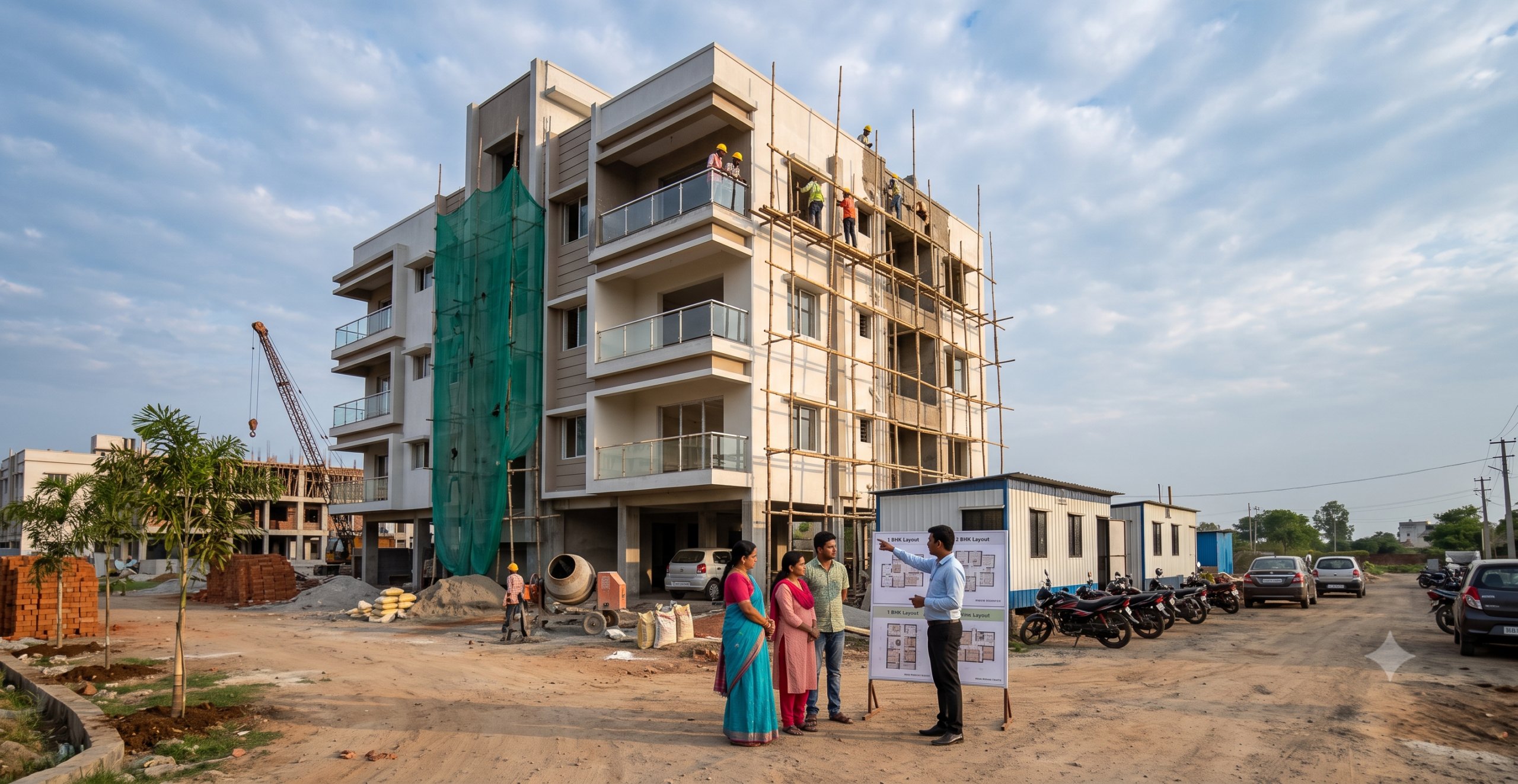
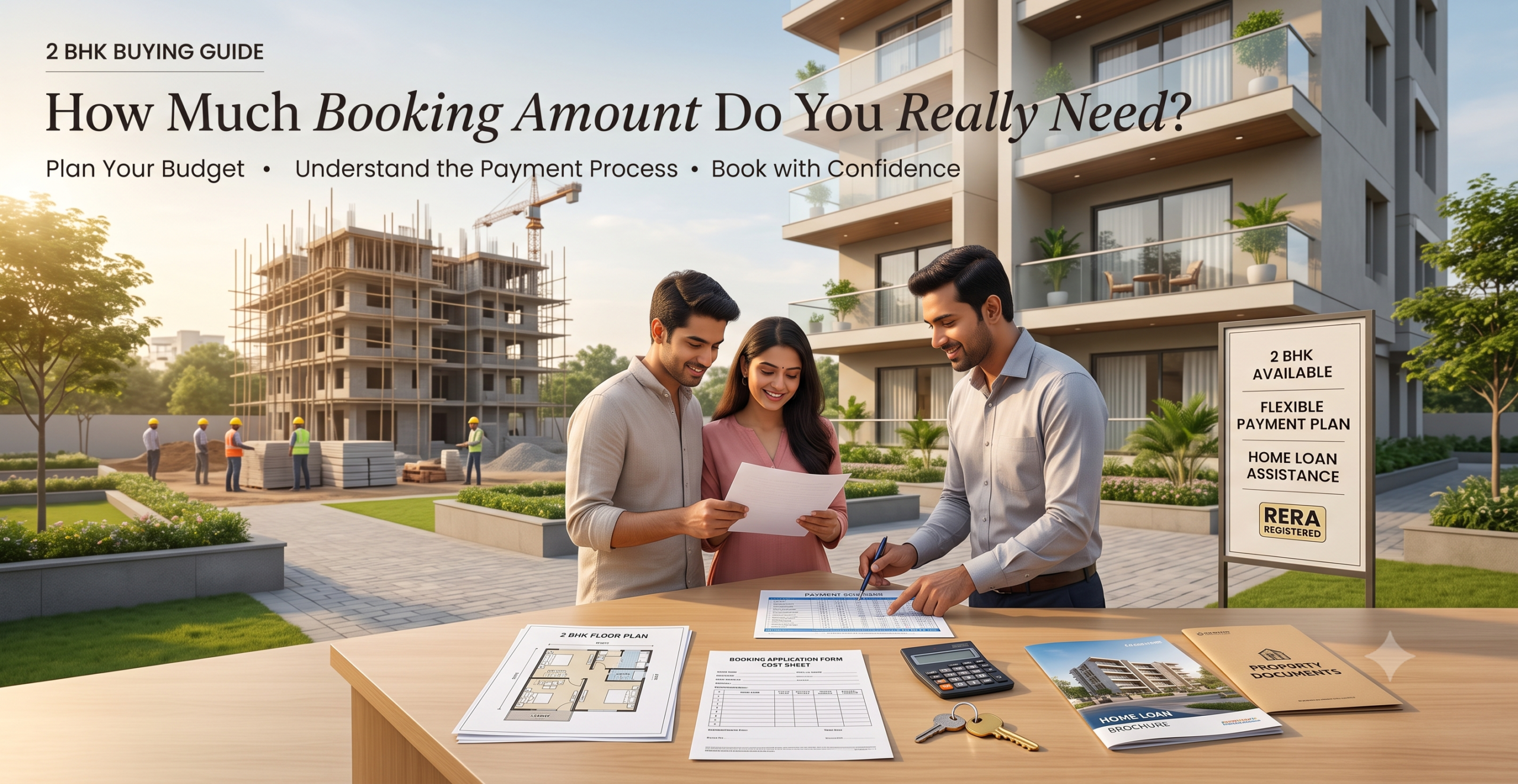
Buying a home is one of the most significant investments you’ll ever make, and choosing the right builder is just as important as choosing the right location. While attractive brochures, luxurious sample flats, and special booking offers can create excitement, they should never replace careful research and asking the right questions. Before paying the booking amount, every homebuyer should take time to understand the builder’s credibility, the legal status of the project, construction quality, possession timeline, and hidden costs.
Many first-time buyers focus only on the apartment’s price and amenities but forget to ask questions that can protect their investment. A simple conversation with the builder can reveal valuable information about the project, future maintenance, legal approvals, financing options, and overall transparency. Asking the right questions also helps you compare different builders and make an informed decision.
In this guide, we’ll explore the most important questions to ask builders before booking a flat, explain why each question matters, and help you become a confident and informed homebuyer.
Why Is It Important to Ask Questions Before Booking a Flat?
Booking a flat is a long-term financial commitment. Once you pay the booking amount and sign the agreement, changing your decision may become difficult and expensive. That’s why asking detailed questions before booking is essential.
Protect Your Investment
A home is not just a place to live—it’s also a valuable investment. Understanding every aspect of the project helps ensure your money is invested in a legally approved and trustworthy development.
Avoid Unexpected Problems
Many buyers discover hidden charges, delayed possession, or missing approvals only after booking their apartment. Asking questions beforehand allows you to identify potential risks early and avoid unpleasant surprises later.
Compare Different Builders
If you’re considering multiple projects, asking the same set of questions to every builder makes comparison easier. You can evaluate transparency, professionalism, pricing, amenities, and customer service before making your final decision.
Build Confidence
When a builder answers your questions openly and provides supporting documents, it creates confidence and trust. Transparent communication is often a good sign of a reliable real estate developer.
Is the Project Registered Under RERA?
One of the first questions every buyer should ask is whether the project is registered under the Real Estate (Regulation and Development) Act (RERA).
Why RERA Registration Matters
RERA was introduced to protect homebuyers by increasing transparency in the real estate sector. Registered projects must provide accurate information regarding approvals, construction progress, possession dates, and project specifications.
Ask for the RERA Number
Instead of accepting a verbal confirmation, request the project’s RERA registration number. Visit your state’s official RERA website and verify the registration details yourself.
Benefits of Buying a RERA-Registered Project
A RERA-approved project offers better legal protection, improved transparency, and clear timelines for project completion. It also reduces the chances of fraud or misleading information.
What Legal Approvals Does the Project Have?
Legal approvals are one of the most important aspects of buying a property. Never assume that every project has received all the required permissions.
Building Plan Approval
Ask whether the building plan has been approved by the local municipal authority. This approval confirms that the project follows government construction regulations.
Land Ownership Documents
Request information about land ownership. The builder should have clear legal ownership or valid development rights for the land where the project is being constructed.
Environmental and Government Clearances
Large residential projects may require environmental approvals and other government permissions. Asking about these approvals ensures the project complies with applicable regulations.
Completion and Occupancy Certificates
If you’re buying a ready-to-move apartment, ask whether the builder has obtained the Completion Certificate and Occupancy Certificate. These documents confirm that the building is legally complete and safe for occupancy.
What Is the Total Cost of the Flat?
Many buyers focus only on the advertised apartment price, but the final amount often includes several additional charges. Understanding the complete cost helps you plan your budget more effectively.
Ask for a Detailed Cost Sheet
Request a written cost breakdown that includes the apartment price, GST, parking charges, maintenance deposits, clubhouse fees, legal expenses, registration charges, and any other applicable costs.
Are There Any Hidden Charges?
Ask the builder directly if there are any future charges that are not included in the advertised price. Transparent builders usually provide complete pricing details without hesitation.
Payment Schedule
Understand when each payment is due. Some builders follow construction-linked payment plans, while others require payments at fixed intervals. Knowing the payment schedule helps you manage your finances and coordinate with your home loan disbursement.
Cancellation and Refund Policy
Life circumstances can change unexpectedly. Before booking, ask about the cancellation policy, refund process, and deductions that may apply if you decide not to proceed with the purchase.
What Construction Quality and Materials Are Being Used?
The appearance of a sample flat may look impressive, but the actual quality of construction depends on the materials used throughout the project.
Structural Quality
Ask about the construction technology, foundation design, earthquake resistance, and safety standards followed by the builder.
Interior Specifications
Request detailed information about flooring, doors, windows, electrical fittings, plumbing, bathroom fixtures, kitchen materials, and paint quality. These specifications help you understand exactly what you’ll receive upon possession.
Brand of Materials
Many builders use reputed brands for tiles, sanitary ware, switches, wiring, elevators, and water pumps. Knowing the brands used gives you greater confidence in the project’s long-term durability.
Warranty and Defect Liability
Ask whether the builder offers a warranty or defect liability period after possession. A builder who stands behind their construction quality is more likely to resolve genuine issues promptly.
When Will the Project Be Completed and Possession Be Given?
One of the most common concerns among homebuyers is whether the builder will deliver the flat on time. Delayed possession can affect your financial planning, especially if you are paying both rent and home loan EMIs. Before booking a flat, always ask the builder for the expected completion date and possession timeline.
Check the Construction Progress
If the project is already under construction, ask how much work has been completed. Visiting the project site gives you a better understanding of the actual progress instead of relying only on promotional materials. A project that is progressing according to schedule is generally a positive sign.
Ask About the Expected Possession Date
Request a written possession date rather than depending on verbal promises. The expected delivery timeline should also be mentioned in the Builder-Buyer Agreement. This document becomes important if there is an unexpected delay.
Understand the Delay Compensation Policy
Unexpected situations can sometimes delay construction, but reputable builders usually include a compensation clause in the agreement. Ask whether buyers will receive compensation if possession is delayed beyond the committed date. Knowing this information protects your interests and helps you make an informed decision.
Verify Utility Connections
Before possession, ask whether electricity, water supply, sewage systems, and road access will be fully operational. A completed apartment without essential utilities may create unnecessary inconvenience after moving in.
What Amenities and Maintenance Services Are Included?
Modern residential projects offer a wide range of amenities, but buyers should clearly understand what is included in the purchase price. Never assume that every advertised facility will be available without additional charges.
What Amenities Will Be Available?
Ask the builder for a complete list of amenities included in the project. These may include a clubhouse, children’s play area, landscaped gardens, gymnasium, swimming pool, jogging track, indoor games room, community hall, security systems, and visitor parking. Understanding these facilities helps you compare projects more effectively.
Maintenance Charges
Every residential project requires regular maintenance after possession. Ask how much the monthly maintenance charges will be and what services are covered. Maintenance fees generally include security, housekeeping, common area lighting, landscaping, lift maintenance, water pumps, and waste management.
Parking Facilities
Parking is an important factor that buyers often overlook. Confirm whether your parking space is covered or open, whether it is reserved for your apartment, and if additional parking spaces can be purchased later.
Security and Safety Features
Safety should always be a priority. Ask about CCTV surveillance, gated entry, intercom facilities, fire safety systems, emergency exits, power backup, and 24-hour security personnel. A well-planned security system provides peace of mind for every resident.
Does the Builder Offer Home Loan Assistance?
Most homebuyers rely on home loans to finance their purchase. Builders often have partnerships with leading banks and financial institutions that can simplify the loan approval process.
Which Banks Have Approved the Project?
Ask the builder which banks have already approved the project. A project approved by multiple banks usually indicates that its legal documents have been thoroughly verified by financial institutions.
What Documents Will the Builder Provide?
Builders should provide all necessary property documents required by the bank during the loan process. These documents typically include approved building plans, title documents, RERA registration details, and sale agreements.
Loan Processing Support
Some developers have dedicated customer support teams that help buyers complete documentation, coordinate with banks, and track loan approval. This service can make the buying process much easier, especially for first-time homebuyers.
Flexible Payment Plans
Many builders offer construction-linked payment plans, possession-linked plans, or special festive offers. Ask whether flexible payment options are available that match your financial situation.
Question 8: What Is the Builder’s Reputation and Track Record?
A builder’s reputation says a lot about the quality of construction, customer service, and timely project delivery. Spending time researching the builder can help you avoid future disappointment.
Previous Projects
Ask about the builder’s completed projects and visit them if possible. Talking to existing homeowners can provide valuable insights into construction quality, maintenance services, and customer satisfaction.
Years of Experience
Builders with several years of experience generally have established systems, stronger vendor relationships, and better project management practices. Experience often translates into greater reliability.
Customer Reviews
Search for genuine customer reviews on trusted real estate platforms and social media. Positive feedback regarding timely possession, quality construction, and after-sales service is a good sign.
After-Sales Support
A builder’s responsibility does not end after handing over the keys. Ask whether they provide assistance with maintenance issues, warranty claims, or documentation after possession. Reliable after-sales support reflects a customer-focused approach.
Final Checklist Before Booking Your Flat
Before making the final payment, take a moment to review everything carefully. A simple checklist can help ensure that nothing important is overlooked.
Verify All Legal Documents
Confirm that the project has RERA registration, approved building plans, clear land ownership, and all necessary government approvals. Never rely solely on verbal assurances.
Understand the Complete Cost
Ask for a written breakdown of all charges, including GST, maintenance deposits, parking fees, registration expenses, and any additional costs. Knowing the total investment helps you plan your finances effectively.
Read Every Clause in the Agreement
Never sign the Builder-Buyer Agreement without reading it carefully. Pay special attention to possession timelines, cancellation terms, payment schedules, and penalty clauses.
Visit the Project Site
Whenever possible, visit the construction site personally. This allows you to inspect the progress, quality of work, surrounding infrastructure, and neighbourhood before making your final decision.
Keep Every Document Safe
Maintain both printed and digital copies of booking forms, receipts, agreements, loan documents, and correspondence with the builder. Organized records are useful during registration and future resale.
Frequently Asked Questions
How many questions should I ask a builder before booking a flat?
There is no fixed number, but asking detailed questions about legal approvals, construction quality, pricing, amenities, possession timelines, maintenance charges, and financing options helps you make a well-informed decision.
Why is RERA registration important before booking?
A RERA-registered project provides greater transparency, protects buyers’ rights, and ensures that the builder follows government regulations regarding construction progress and project completion.
Can I negotiate the apartment price with the builder?
Yes. Depending on market conditions, builders may offer discounts, waived charges, flexible payment plans, or complimentary amenities. It is always worth discussing available offers before confirming your booking.
Should I visit the construction site before booking?
Absolutely. Visiting the site allows you to evaluate construction quality, surrounding infrastructure, accessibility, and the actual progress of the project, giving you greater confidence before investing.
What documents should I collect after booking?
Collect the booking receipt, Builder-Buyer Agreement, payment schedule, allotment letter, and copies of all payment acknowledgements. These documents are essential for future legal and financial processes.
Conclusion
Buying a home is a dream for many families, and asking the right questions before booking can make that dream a safe and rewarding investment. Instead of focusing only on attractive brochures or limited-time offers, take time to understand the builder’s reputation, verify legal approvals, review the total project cost, inspect construction quality, and confirm the expected possession timeline.
A trustworthy builder will always answer your questions openly, provide supporting documents, and maintain transparency throughout the buying process. By preparing yourself with the right information, you can confidently compare projects, avoid costly mistakes, and choose a home that offers long-term value.
Before signing any agreement or paying the booking amount, remember that informed buyers make better decisions. Careful planning today can help you enjoy a stress-free home-buying experience and protect your investment for years to come.