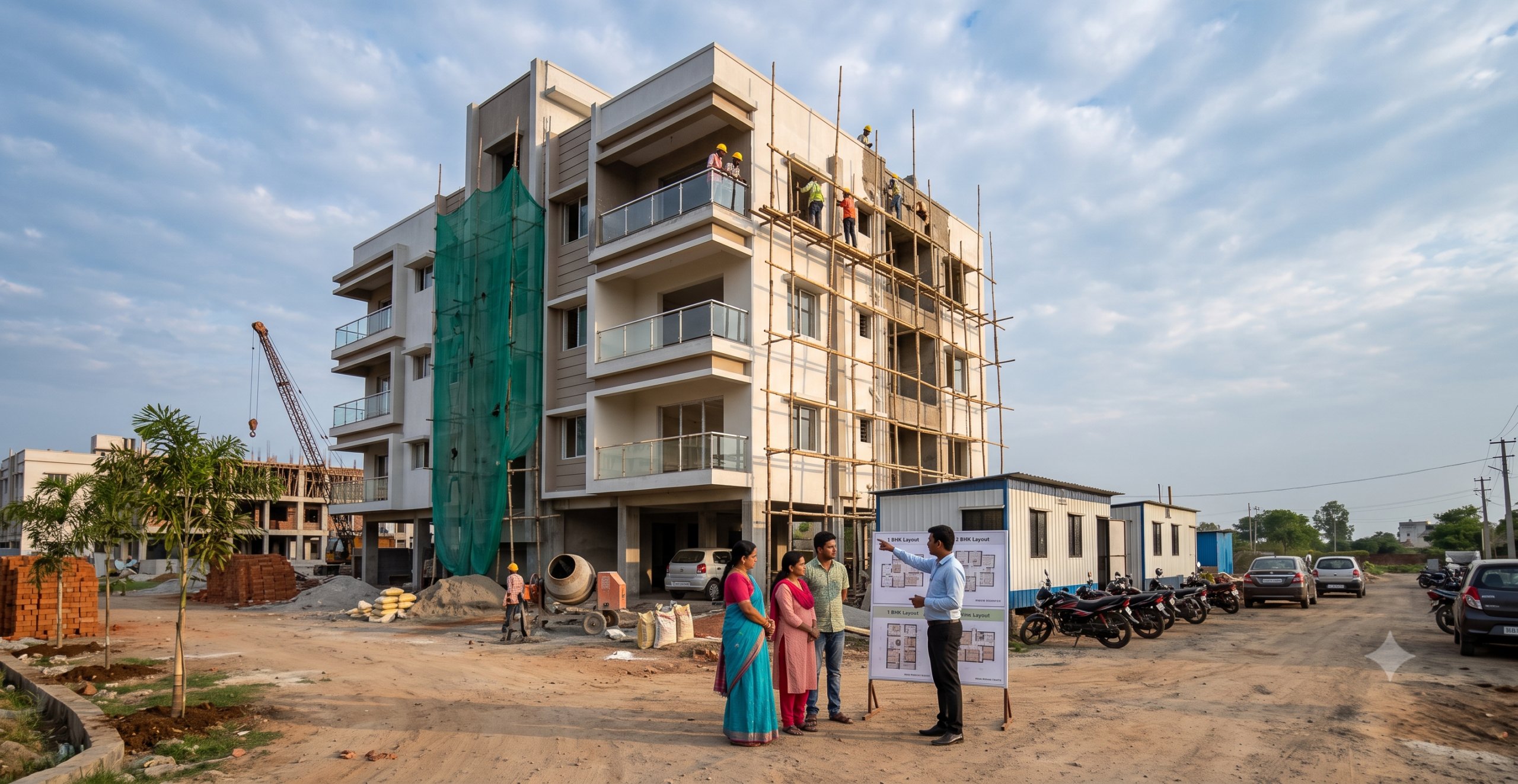
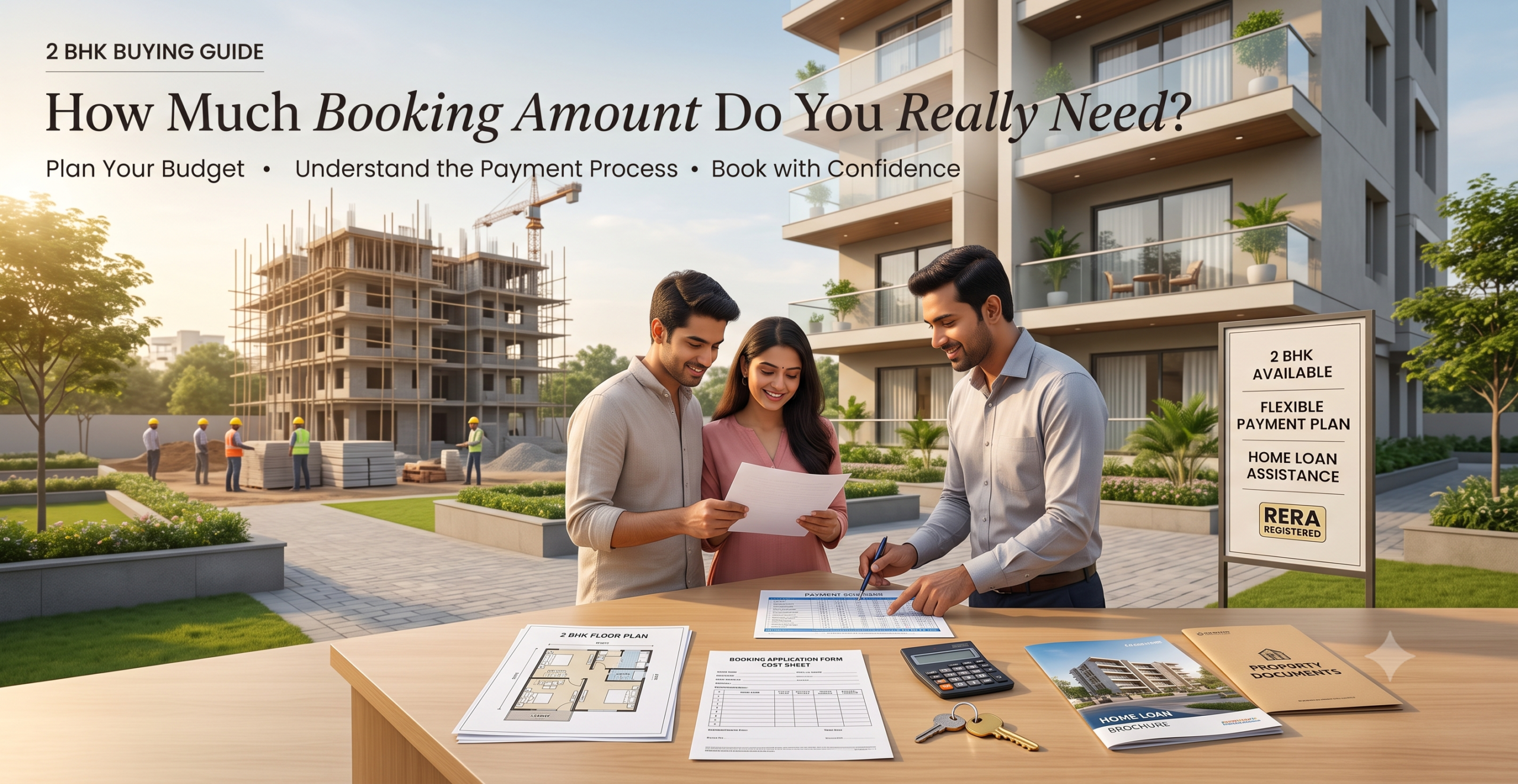
Buying an apartment is one of the most significant financial decisions you’ll ever make. Whether you’re purchasing your first home, upgrading to a larger living space, or investing in real estate, choosing the right apartment requires careful planning and thorough research. While attractive brochures, modern amenities, and limited-time offers may grab your attention, they should never be the only reasons to book a property.
A home is more than just a place to live—it’s a long-term investment that affects your lifestyle, financial stability, and future security. Making a rushed decision without proper verification can lead to legal issues, hidden charges, construction delays, or poor resale value. On the other hand, taking the time to evaluate every aspect of a project helps you invest with confidence and avoid costly mistakes.
Before paying the booking amount, it’s essential to verify the builder’s reputation, legal approvals, construction quality, project location, pricing transparency, and future appreciation potential. Understanding these factors will help you make an informed decision and ensure your dream home truly meets your expectations.
In this complete guide, we’ll walk you through everything you should check before booking an apartment, making your home-buying journey safer, smoother, and more rewarding.
Why Apartment Verification Is Important
Buying an apartment isn’t just about selecting the best-looking property. It’s about ensuring that your investment is legally secure, financially sound, and capable of meeting your family’s future needs.
Many homebuyers become excited after seeing a beautifully designed sample flat or hearing about attractive discounts. Unfortunately, some overlook critical aspects such as legal documentation, builder credibility, or hidden costs. These mistakes can create unnecessary stress long after the booking process is complete.
Verifying every important detail before making a payment gives you several advantages:
-
Protects your investment from legal disputes.
-
Reduces the risk of project delays.
-
Helps you identify hidden charges.
-
Ensures better construction quality.
-
Improves future resale value.
-
Gives you complete peace of mind before signing any agreement.
A few extra days spent researching today can save you years of financial and legal complications later.
Research the Builder Before Making Any Decision
The reputation of the builder plays a major role in determining the quality of your future home. A reliable developer is more likely to deliver quality construction, complete projects on time, and provide dependable customer support even after possession.
Before selecting an apartment, spend some time understanding the builder’s background and market reputation.
Learn About the Builder’s Experience
Start by checking how long the developer has been active in the real estate industry. Builders with years of experience and multiple completed projects generally have stronger credibility than newly established companies.
Experienced developers usually have better project management systems, stronger financial stability, and a proven record of delivering homes on time. Their experience also reflects their ability to maintain construction quality and comply with government regulations.
Visit Previous Projects
One of the best ways to evaluate a builder is by visiting projects they have already completed.
Walk around the property and observe the overall maintenance, construction quality, landscaping, parking facilities, elevators, and common areas. A completed project gives you a realistic idea of what you can expect from your future home.
If possible, interact with existing residents. Ask about their experience regarding construction quality, maintenance services, customer support, and possession timelines. Honest feedback from homeowners often reveals information that marketing brochures never mention.
Read Customer Reviews
Online reviews provide valuable insights into a builder’s reputation. Instead of focusing only on ratings, read detailed customer experiences to understand how the developer handles project delivery, customer service, quality issues, and post-sales support.
Every builder may receive a few negative reviews, but consistently positive feedback over several projects is a strong indicator of reliability.
Check Project Delivery History
Timely possession is one of the biggest concerns for homebuyers.
Research whether the builder has completed previous projects according to the promised schedule. Frequent delays may indicate financial problems or poor project management.
A builder with a consistent history of on-time delivery offers greater confidence and reduces the risk of waiting years for possession.
Verify Financial Stability
Large residential projects require significant financial resources.
A financially stable developer is less likely to face construction interruptions due to funding issues. Reviewing the builder’s market presence, completed developments, and ongoing projects can help you understand their financial strength and long-term credibility.
Choosing a builder with a strong reputation today can save you from unnecessary stress tomorrow.
Verify Every Legal Document Carefully
Legal verification is one of the most important steps before booking an apartment. No matter how attractive a project looks, you should never proceed without confirming that all legal documents are complete and valid. Spending a little extra time verifying documents today can protect you from costly legal disputes in the future.
Confirm RERA Registration
The first document you should verify is the project’s RERA registration. The Real Estate (Regulation and Development) Act was introduced to improve transparency and protect homebuyers from fraud and project delays.
A RERA-registered project provides details about the builder, project status, approvals, completion timeline, and other important information. You can also visit your state’s official RERA website to verify whether the project is genuinely registered.
Choosing a RERA-approved project gives buyers greater confidence and legal protection throughout the home-buying process.
Verify Land Ownership
Before booking an apartment, ensure that the builder has clear ownership of the land or possesses legal development rights.
If there are ownership disputes or pending legal cases related to the property, they could delay construction or even affect your ownership rights in the future.
Ask the builder to provide land ownership documents and verify them through a legal expert if necessary.
Check Building Plan Approval
Every residential project must have an approved building plan from the local municipal authority.
This approval confirms that the construction follows government regulations, zoning laws, environmental guidelines, and building safety standards.
Avoid projects where construction has started without proper approvals, as unauthorized developments may face legal action or demolition.
Review Completion and Occupancy Certificates
If you’re purchasing a ready-to-move apartment, ask for both the Completion Certificate (CC) and the Occupancy Certificate (OC).
The Completion Certificate confirms that the construction has been completed according to the approved building plan.
The Occupancy Certificate indicates that the building is safe for residential use and complies with all required regulations.
Without these certificates, you may face difficulties with utility connections, property registration, or future resale.
Verify Other Government Approvals
Depending on the size and location of the project, builders may also require approvals from various government departments.
These may include:
Environmental Clearance
Fire Safety Approval
Water Supply Approval
Electricity Connection Approval
Local Municipal Permissions
A transparent developer will willingly provide these documents whenever requested.
Evaluate the Apartment Location Carefully
Location is one of the biggest factors affecting your lifestyle and your property’s future value. Even a well-designed apartment may not be a good investment if it is located in an inconvenient or poorly developed area.
Visit the project multiple times before making a final decision. Explore the neighborhood during weekdays, weekends, daytime, and evening hours to understand traffic conditions, safety, and the surrounding environment.
Check Connectivity
Easy connectivity makes daily travel more convenient while increasing future resale demand.
Look for good access to:
Major highways
Metro stations
Railway stations
Bus stops
Airports
IT parks
Business districts
Apartments located near major transportation networks generally appreciate in value faster than isolated developments.
Look for Essential Facilities
A comfortable lifestyle depends on having everyday services nearby.
Check whether the location has easy access to:
Schools and colleges
Hospitals
Medical stores
Banks
Grocery stores
Shopping malls
Restaurants
Parks
Fitness centers
Living close to essential facilities reduces travel time and improves your family’s overall convenience.
Understand Future Development Plans
Research upcoming infrastructure projects around the area.
Future developments like metro extensions, highways, flyovers, commercial centers, and business parks often increase property values significantly.
Buying in an area with strong future growth potential can provide excellent long-term returns.
Evaluate Neighborhood Safety
Safety should never be overlooked when selecting an apartment.
Visit the locality during different times of the day and observe:
Street lighting
Traffic conditions
Noise levels
Cleanliness
Security arrangements
Overall neighborhood atmosphere
A peaceful and secure environment contributes greatly to your family’s quality of life.
Understand the Complete Cost Before Booking
Many buyers focus only on the apartment’s advertised price. However, the total cost usually includes several additional expenses that can significantly increase your investment.
Always request a detailed cost sheet before paying any booking amount.
Ask for Complete Price Breakdown
Your quotation should clearly include:
Base apartment price
GST
Registration charges
Stamp duty
Parking charges
Maintenance deposit
Clubhouse fees
Legal charges
Utility connection charges
A transparent pricing structure indicates that the builder values honesty and professionalism.
Check Payment Plans
Builders usually offer different payment options such as:
Construction-linked plans
Time-linked plans
Possession-linked plans
Compare these options carefully and choose the one that best suits your financial situation and home loan schedule.
Identify Hidden Charges
Some builders include additional costs that buyers discover only at the final stage.
Ask specifically about:
Power backup charges
Infrastructure development charges
Club membership fees
Maintenance charges
Floor rise charges
Preferential location charges
Understanding these expenses in advance helps you avoid unexpected financial surprises.
Plan Your Overall Budget
Remember that purchasing an apartment involves more than just the booking amount.
You should also plan for:
Home loan processing fees
Interior decoration
Furniture
Appliances
Moving expenses
Emergency savings
A realistic financial plan ensures that your home purchase remains comfortable without creating unnecessary financial pressure.